A chemical used to soften plastic may be quietly fueling one of the world’s leading causes of death: heart disease according to a new study published in eBioMedicine.
A new global analysis led by researchers at New York University estimates that exposure to a common phthalate—di-2-ethylhexyl phthalate (DEHP)—was linked to 356,238 deaths from cardiovascular disease in 2018 alone, most of them among people ages 55 to 64. That’s more than 13% of all global heart disease deaths in that age group for the year.
“By highlighting the connection between phthalates and a leading cause of death across the world, our findings add to the vast body of evidence that these chemicals present a tremendous danger to human health,” said the study’s author, Sara Hyman.
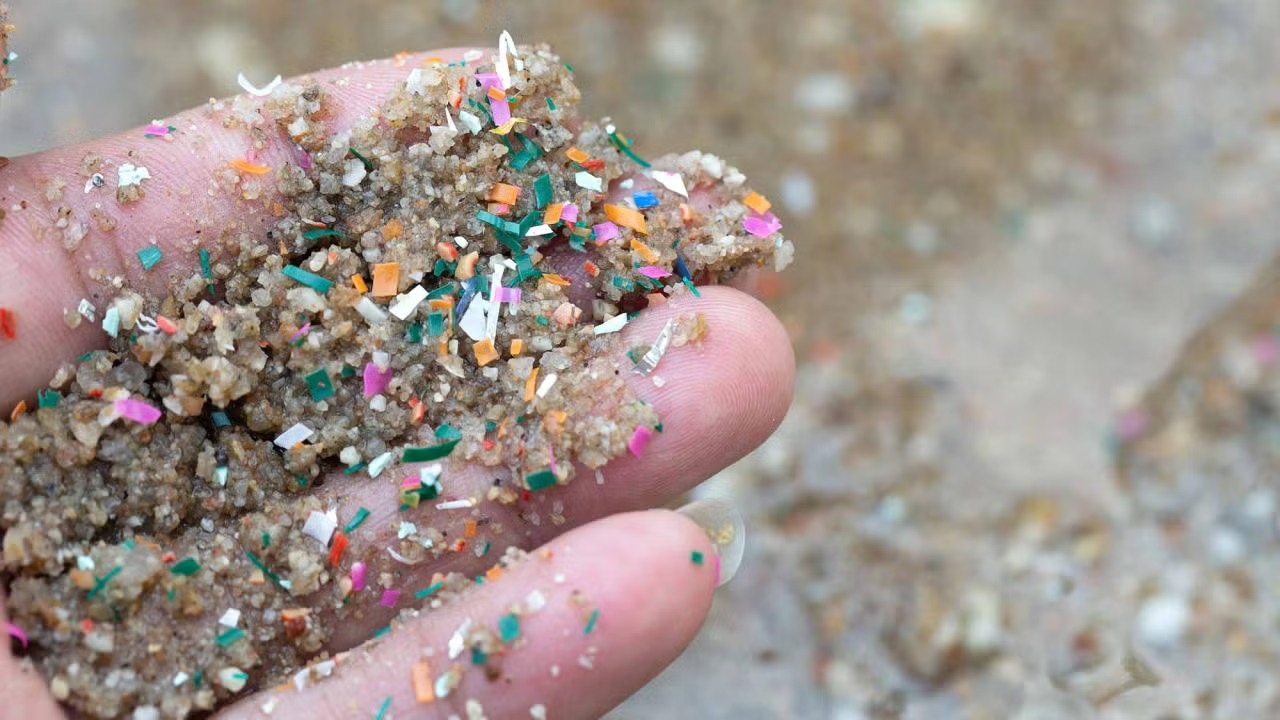
Phthalates like DEHP are used widely in the manufacturing of flexible plastics—found in everything from food containers and packaging to medical tubing, vinyl flooring, detergents, cosmetics, and children’s toys. Over time, they break down into microparticles that can enter the body through ingestion, inhalation, or skin contact. Prior studies have linked plastic chemicals to a range of health issues, including diabetes, obesity, hormonal disruption, reproductive problems, and some cancers.
In this study, researchers focused on DEHP’s impact on cardiovascular health, building on earlier lab evidence suggesting that DEHP can trigger inflammation in arteries—raising long-term risk of heart attack and stroke. Using environmental and mortality data from 200 countries, they estimated the burden of DEHP exposure using urinary biomarkers and population-based heart disease records.
The death toll wasn’t evenly distributed, were the Middle East, South Asia, East Asia, and the Pacific bore the heaviest burden, accounting for nearly three-quarters of all DEHP-related heart deaths.
“There is a clear disparity in which parts of the world bear the brunt of heightened heart risks from phthalates,” said author, Leonardo Trasande. “Our results underscore the urgent need for global regulations to reduce exposure to these toxins, especially in areas most affected by rapid industrialization and plastic consumption.”
Countries like India, China, and Indonesia topped the list, a pattern the authors attribute to the expansion of plastic manufacturing in countries that often lack stringent safety regulations. Even after adjusting for population size, these regions showed elevated death rates linked to DEHP.
Additionally, the researchers also estimated the economic toll of these deaths: about $510 billion globally, with the figure potentially as high as $3.74 trillion when accounting for broader productivity losses and medical costs.
It is also of note, the study focused on just one type of phthalate and one age group, meaning the real impact could be even larger. Trasande cautioned that while the analysis shows a strong link, it doesn’t prove that DEHP alone caused the deaths, and it didn’t include other known toxic phthalates or younger populations.
“The overall death toll from heart disease connected to these chemicals is likely much higher,” he said.

🌍 Why It Matters
This study raises pressing questions about how everyday materials—especially plastic—are affecting our health in ways we can’t see. For individuals, it’s a reminder to reduce contact with and overall use of plastic packaging when. For policymakers, it’s a wake-up call to strengthen global and national safety standards.
While there are many factors that compound into cardiovascular disease, environmental toxins like plastic is one such factor. So overall, it is best to avoid using plastic and when one can to substitute it with reusable natural fiber, stainless steel, or glass.
S Hyman et al. Phthalate exposure from plastics and cardiovascular disease: global estimates of attributable mortality and years life lost. eBioMedicine (2025). DOI: 10.1016/j.ebiom.2025.105730