This world-first umbrella study involving plastic and human health has revealed that exposure to chemicals commonly found in plastics poses serious health risks at every stage of life, raising urgent concerns about the pervasive impact of plastic-associated chemicals on human health.
The study, published in the Annals of Global Health, reviewed extensive evidence linking chemicals like bisphenol A (BPA), polychlorinated biphenyls (PCBs), polybrominated diphenyl ethers (PBDEs), and polyfluoroalkyl substances (PFAS) to a wide range of harmful health outcomes. These include miscarriage, low birth weight, obesity, blood pressure issues, asthma, bronchitis, early onset puberty, endometriosis, type 2 diabetes, and cardiovascular disease.
The team that analyzed 52 systematic reviews encompassing data from approximately 1.5 million people. The findings are alarming: they found consistent, statistically significant evidence for harm across a wide range of health outcomes for each of the chemical classes. Based on their analysis, the authors found none of the plastic-associated chemicals examined in the umbrella review can be considered safe, with multiple harmful health effects linked to each chemical class.
“From the water we drink to the products we use, plastics are an inescapable part of modern living,” said author, Dr. Christos Symeonides.
“This research categorically proves that none of the examined chemicals—which are used in plastic items humans around the world interact with every single day—should be considered safe.
“This is a red flag for the world. We must minimize our exposure to these plastic chemicals, as well as those that haven’t yet been assessed for human health outcomes but are known to be toxic.”
Dr. Symeonides stressed the need to minimize exposure to these hazardous chemicals, especially given that many other chemicals used in plastics have not yet been assessed for their impact on human health but are known to be toxic.
The study’s findings bolster calls for stronger domestic and international efforts to regulate plastic production and use.
The message is clear and urgent: the widespread use of plastics and the chemicals they contain, in addition to our continued reliance on petroleum, is not just an environmental issue—it is a profound and immediate threat to human health that demands global action.
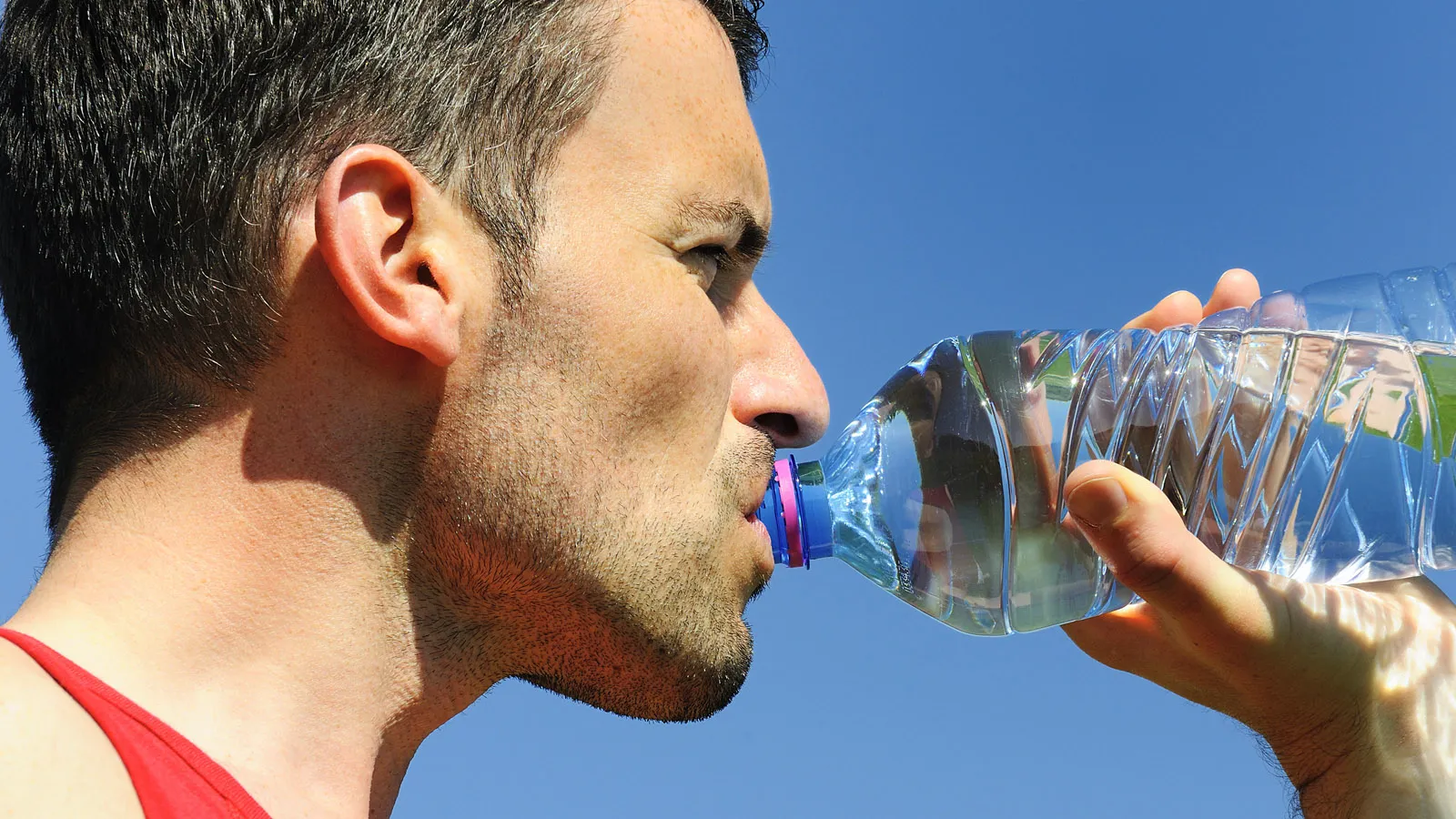
Simply daily ways to minimize dangerous exposure to plastic include, avoiding straw use, using water filter, not using disposable coffee cups and switching to stainless steel ones, avoiding plastic water bottles and carry reusable glass or stainless steel ones, not using plastic bags for much of grocery shopping, and supporting policy initiatives to ban petroleum (the major source of plastic) and plastic use.
C Symeonides et al. An Umbrella Review of Meta-Analyses Evaluating Associations between Human Health and Exposure to Major Classes of Plastic-Associated Chemicals. Annals of Global Health (2024). DOI: 10.5334/aogh.4459