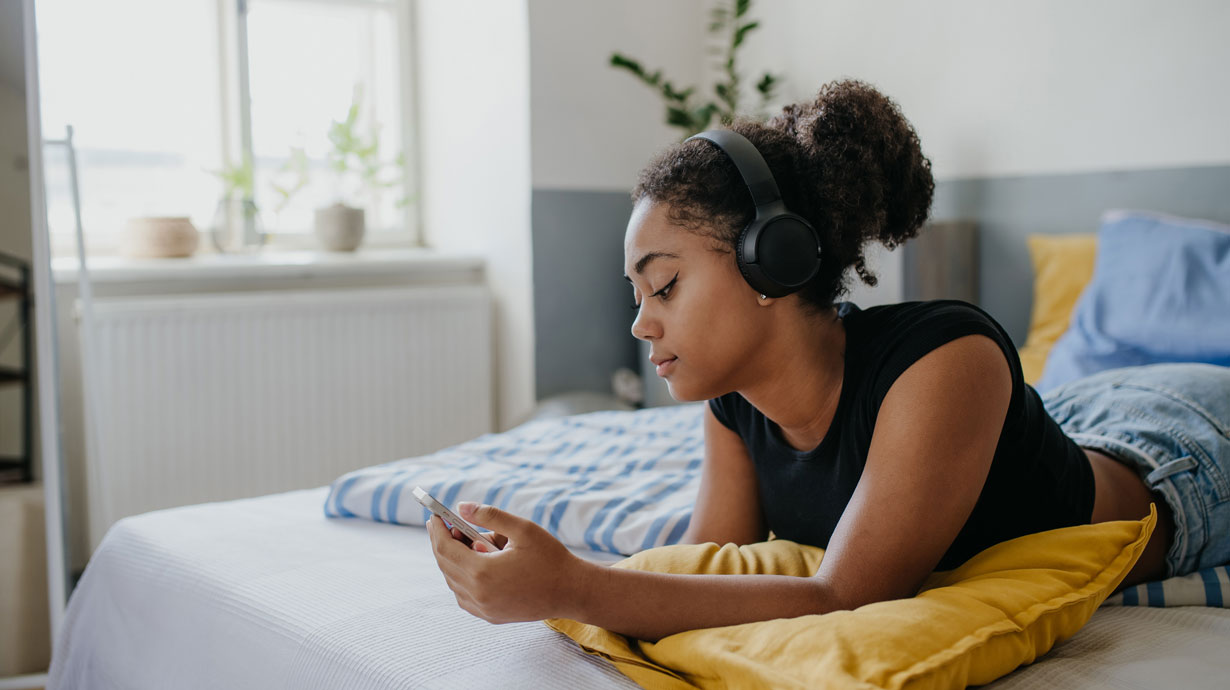
Social media use ubiquitous and has had profound effects on our society from politics to health to our close relationships. However, the substance use has increased to unhealthy levels, increasing rates of depression and anxiety in its users, as well as its role in widespread disinformation. 70% of young users find themselves habitually on the apps daily, and for many are on social media for hours.
However, beyond the toxic content of social media, the apps themselves warps people’s minds, and in a very insidious ways, how that happens is controlled by the company through design.
Published in the journal Motivation Science, authors from USC Dornsife College of Letters, Arts and Sciences, Wendy Wood and Ian Anderson explored how social media warps the users minds depending on how frequently they post.
Overall, using data metrics from Facebook, they found that users develop posting habits that differ based on how frequently they post.
The first thing they took note of was the social rewards of posting, such as receiving comments, likes, and shares. In a bigger picture sense, they found what we would suspect, that the positive reenforcement led to more posting. Upon further investigation, they found that social rewards mostly increased posting habits and social media engagement among new and infrequent posters. On the other hand, frequent and habitual posters would continued to post frequently and quickly regardless of how much social attention they get, or whether or no people find their posts negative or positive.
“They’re not just ignoring the likes, they’re also ignoring the consequences of posting, which is how misinformation starts to spread,” stated Anderson.
Unfortunately, the study also evidenced that such mindless habitual posting leads to ignoring warnings of not to share certain content that can be false or harmful.
They also found that users would ingrain the app usage with the time of day and location and in such produce a mindless habit of posting. For instance, if a user uses the app while in bed at night or while laying on the couch, they produce a habitual association of the time and activity to social media use, and once on, the start to mindlessly post and scroll.
Furthermore, their investigation point to structural changes in the user interface or design may not significantly improve the behavior. While design changes can slow down these frequent and habitual poster, they overtime regain their posting speed by habituating to the platform’s new design.
Social media appears to very much act like many other drugs in producing tolerance and addiction. While subtle, they manipulate and warp the human brain in many harmful ways. Get off of social media. You don’t need to post your life. Fact is no one actually cares anyways, in spite of how many ”likes” you get; they’re probably from people mindlessly scrolling and clicking anyways.
I Anderson and W Wood. Social motivations’ limited influence on habitual behavior: Tests from social media engagement. Motivation Science. 2023. https://doi.org/10.1037/mot0000292