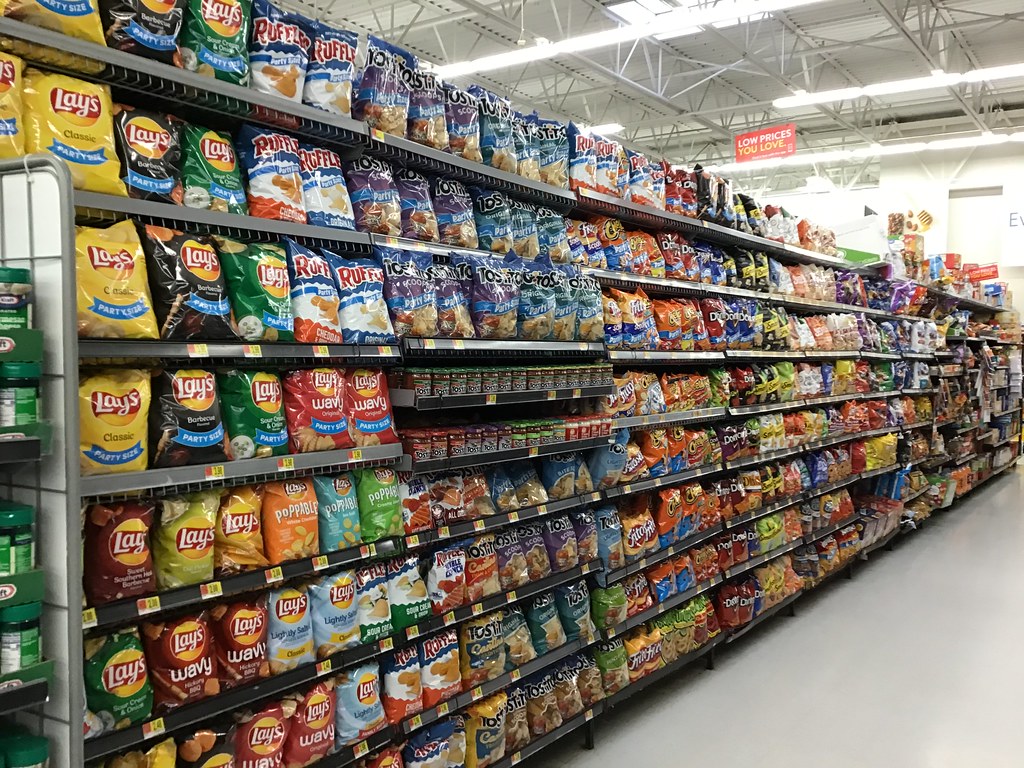
Junk food leads to junk brains. Published in journal Neurology, researchers found that eating the more ultra-processed food one ate, the higher risk they were at developing dementia. In contrast, replacing these ultra-processed food with unprocessed or minimally processed food lead to a decreased risk of dementia.
Ultra-processed food is more pervasive than one would think as it includes foods like cookies, sausages, french fries, ice cream, cheese, fried-chicken, mayonnaise, and industrial-packaged guacamole and hummus.
For their study, researchers from Tianjin Medical University identified 72,083 people from the UK Biobank, 55 years or older and followed them for an average of 10 years. By the end of the study, 518 people were diagnosed with dementia.
During the study period, participants regularly filled out questionnaires regarding their dietary intake of foods and beverages. The investigators converted how much ultra-processed food the participants ate to grams per day and created a percentage from it based on how much total food they ate. Based on their results, they divided them into quartiles.
Adjust for various demographic information such as age, sex, medical co-morbidities, and family history, researchers found that every 10% increase in daily intake of ultra-processed foods led to a 25% higher risk of developing dementia.
Using data estimates, they also found that substituting 10% of ultra-processed foods with unprocessed or minimally processed foods, such as fresh fruits and vegetables, led to a 19% lower risk of developing dementia.
While what we eat everyday may seem like small decisions just to fulfill some caloric intake or to satiate an urge, what we ultimately decide to eat today will either punish or reward us in the future. The amount of high-processed food around is immense and often very seductive. However, the problem with all this junk food is that not only are they completely devoid of nutrients, they are also likely filled with hundreds of unwanted, unhealthy chemicals from packaging, additives, and the processing process.
H Li et al. Association of ultraprocessed food consumption with risk of dementia a prospective cohort. Neurology. DOI: 10.1212/WNL.0000000000200871