When placed under chronic toxic environments, respiratory epithelium undergo squamous metaplasia, a benign change for the cells to help adapt to the toxic environment. Though after one stops smoking, it has been shown that this change can reverse itself back to normal respiratory epithelium. While process is not consider cancer, it is still very much considered airway damage.
Reserachers published their findings in journal Toxics, found that those who continue to smoke e-cigarettes do not experience the same kind of reversal as those who stop smoking completely.
For their study, researchers collected nasal biopsies from three groups of volunteers and compared their epithelial gene expressions. The three groups include people who are former smokers but have switched to e-cigarettes, current smokers, and no smokers. The researchers then additionally identified biological processes, cellular pathways, and diseases.
The researchers found that the gene expression of epithelial cells of those who switched from cigarettes to electronic versions did not return to typical normal ones found in healthy non-smokers.
“Specifically, the [e-cigarette] group showed alteration of genes associated with an increase in oxidative stress, immune response, and keratinization, as well as evidence of ciliary dysfunction, and diminished ciliogenesis,” according to author Giovanna Pozuelos.
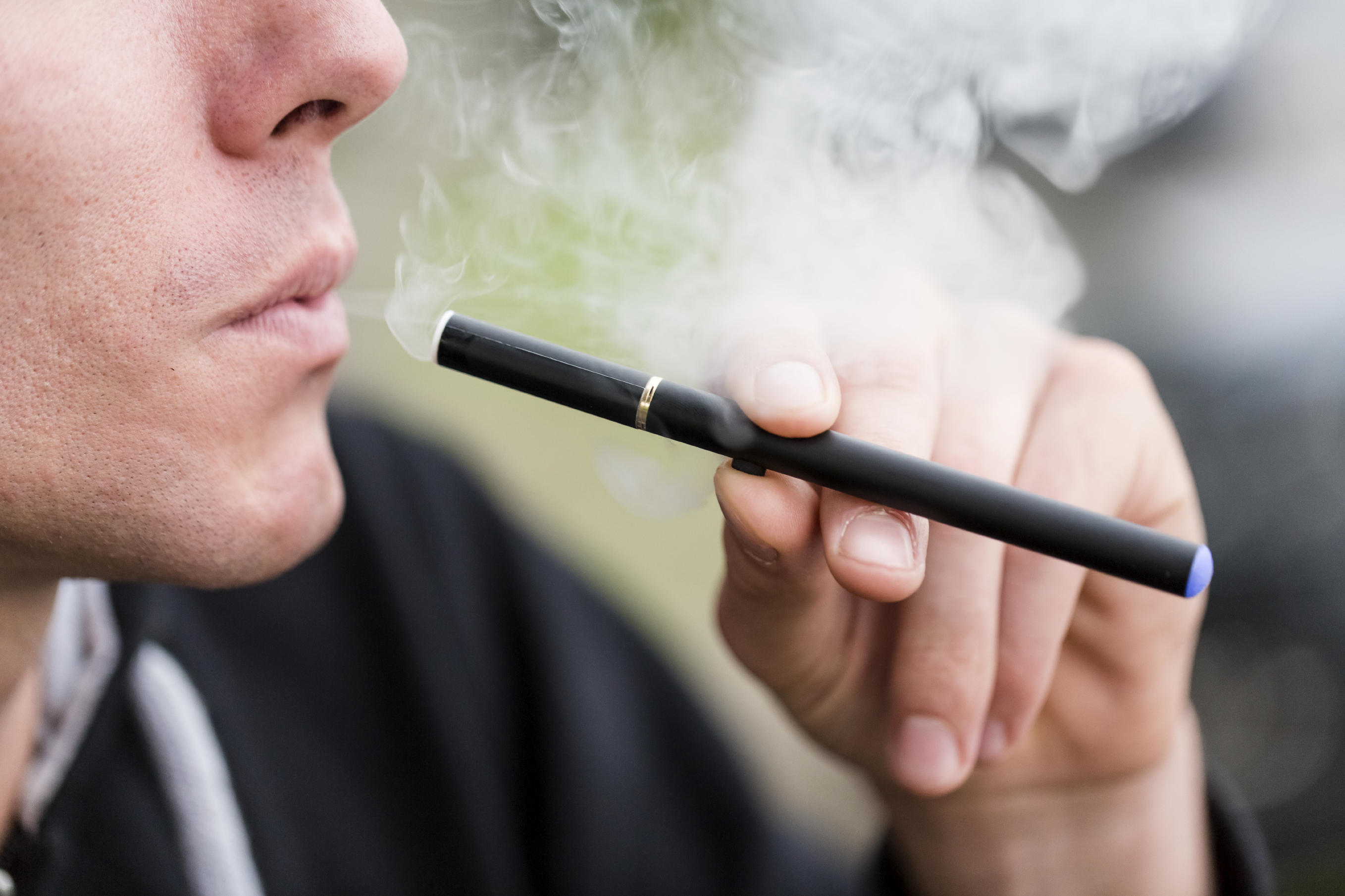
From their results, the researchers suggested that e-cigarettes are not healthier alternatives as public perception claims and interfere with the recovery of epithelium of former smokers.
Real men don’t smoke. Period.
Despite, public perceptions of e-cigarettes as a healthier alternative to cigarettes, research has been showing that they are just as dangerous and harmful to the body without any real benefits.
GL Pozuelos et al. Transcriptomic evidence that switching from tobacco to electronic cigarettes does not reverse damage to the respiratory epithelium. Toxics. https://doi.org/10.3390/toxics10070370