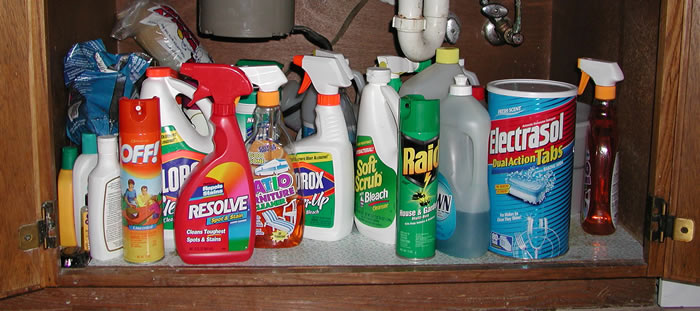
The absolute best parenting is supporting policies and living lifestyle that does not rob your children of their future. One such way we hurt our children is from the everyday chemicals we use.
In a study of over 1,108 mother-child pairs, researchers found the likelihood of childhood liver injury was between 44% to 121% higher in children exposed to chemicals such as organochlorine, pesticides, perfluoroalkyl substances (PFAs), metals, and polybrominated diphenyl ethers (PBDEs). Researchers analyzed data from the Human Early-Life Exposome (HELIX) project from 2003 to 2016 across six European countries.
Umbilical cord data along with maternal blood or urine samples during pregnancy were evaluated for endocrine-disrupting chemicals of the listed above and as well asl other chemicals such as phthalates, parabens, and phenols. After birth around age 6 to 11, markers of liver damage were examined. They found that liver damage was strongly associated with exposure to these chemicals and liver damage.
In addition to liver damage, these children were also more likely to be overweight and do worse in school. They also found there are inequity and disparity of who received the bulk of these exposures.
In conclusion, parenting begins with how well we take care of the environment. So when we vote for politicians who want to deregulate environmental protection or choose to be careless with what chemicals are in the products we used everyday and how we dispose of them, we rob our children of the best chance for development possible. Good parenting starts way before conception beginning with how we live our everyday lives.
The study was conducted by researchers at the Mount Sinai Icahn School of Medicine and published in JAMA Network Open.
V Midya et al. Association of prenatal exposure to endocrine-disrupting chemicals with liver injury in children. JAMA Network Open. DOI: 10.1001/jamanetworkopen.2022.20176.