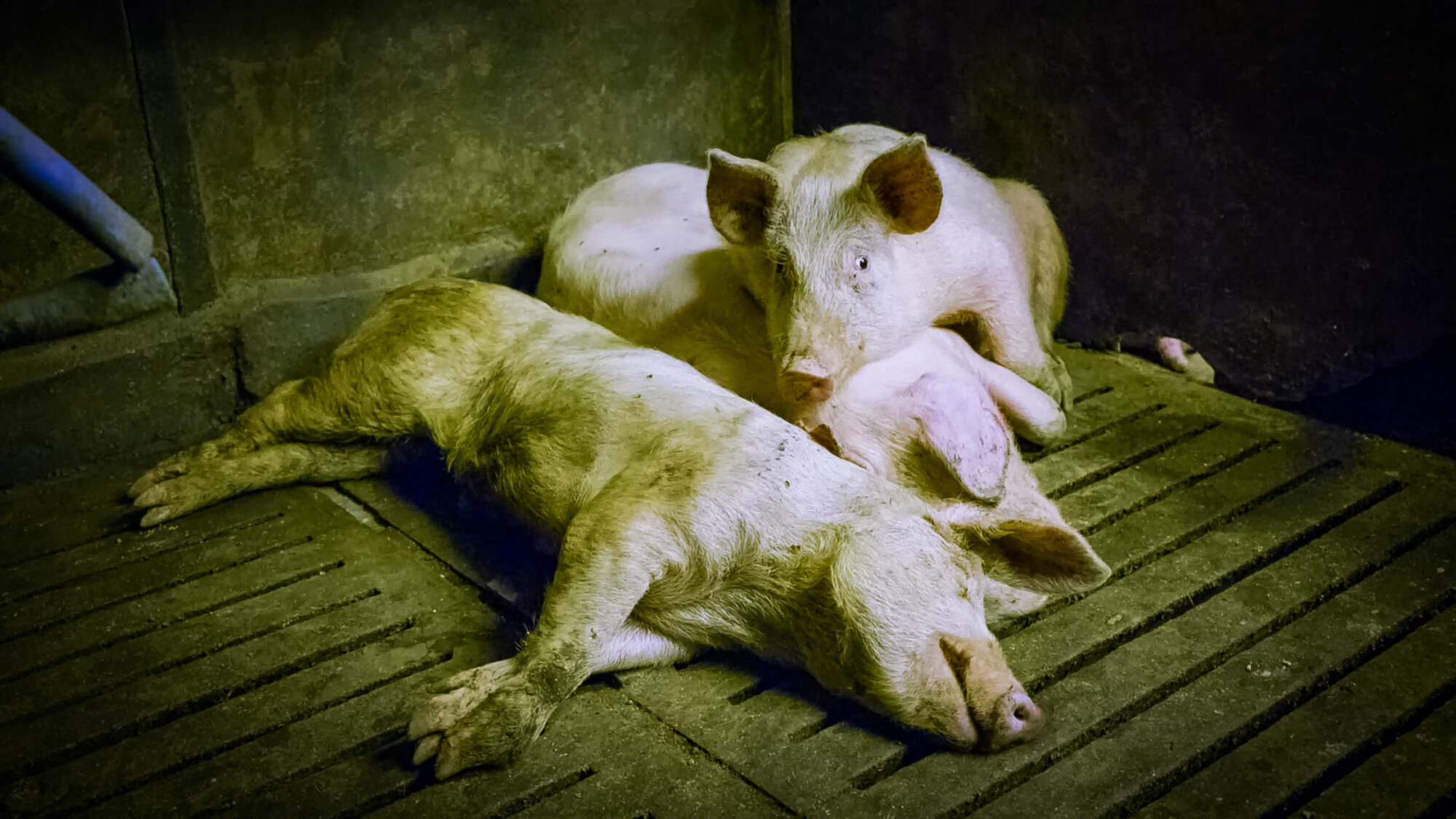
The whole attitude of advocating for meat is a host of all sorts of bad news. One such bad news, unless you love pandemics, is antibiotic resistance.
There’s not better way to create a pandemic like close constantly keeping animals together in close quarters on top of horrible conditions.
MRSA is methicillin-resistant Staphylococcus aureus that is currently a major cause of concern in healthcare for it’s ability to evade antibiotics and rapidly adapt to them.
Approximately 50 years ago, a strain of MRSA called CC398 emerged due to the antibiotic use in pigs on pig farms that has now been effecting human.
While Europe has decreased its antibiotic use in pigs, the study published in Elife, that the genetic elements in CC398, Tn916 and SCCmec, that confers antibiotic resistance in pigs over the past 10 years has remained relatively stable as the bacteria infiltrate farms and human population. For instance, in 2008, proportion of positive herds was 5% and in 2018 was 90%. As the bacteria jumped to humans, this antibiotic-resistance characteristic of CC398 has remained unchanged.
Making things worse, researchers examined another genetic element, φSa3, which enables the CC398 MRSA to evade human immune system, and found that this gene disappeared and reappeared again over time in both humans and livestocks, suggesting the CC398 MRSA can rapidly adapt to humans.
Stop eating meat and stop defending the meat industry. Many of the practices used in the meat industry put humans at risk ranging from bacteria like MRSA to viruses like COVID-19. Buying these products in our home spreads it across our kitchens as well creating a cohabitation with these dangerous bacteria.
M Matuszewska et al. Stable antibiotic resistance and rapid human adaptation in livestock-associated MRSA. ELife.DOI: 10.7554/eLife.74819