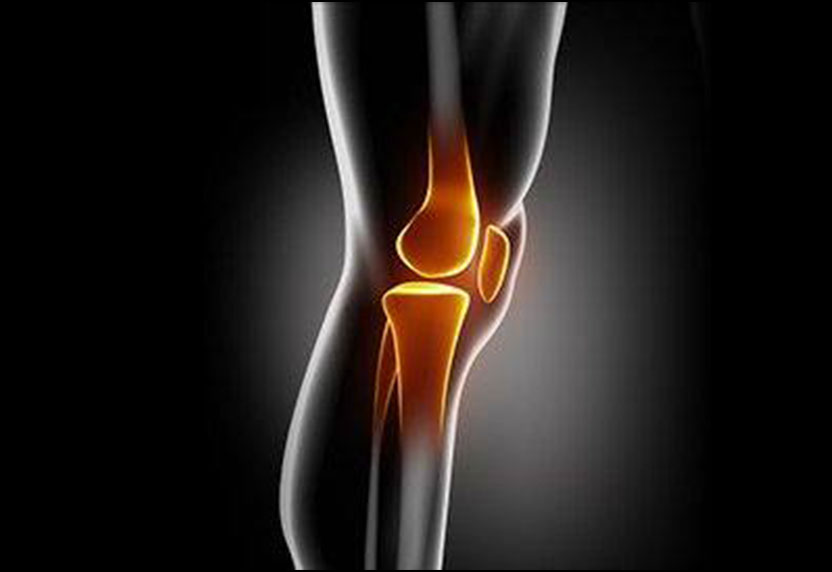
Walking around with all that gut is literally shredding up your knees.
Out of Australia’s University of Queensland Rural Clinical School, cross-comparing data from the Australian Bureau of Statistics 2017-2018 National Health Survey with the Australian Orthopaedic Association National Joint Replacement Registry, they found that 57.7% of the 56,217 patients who underwent knee placement surgery for osteoarthritis were obese.
Osteoarthritis is believe to be a wear-and-tear, degenerative condition where the joint cartilage undergoes structural derangement and ultimately leading to it’s complete wearing out to the point where the two bones are just rubbing on top of each other without the benefit of cartilage to decrease the friction and pain.
They also found that those who were obese also required knee surgery earlier. Of the age range 55-64 years old, obese men were 6 times as likely to require knee replacement. Additionally, obese patients in the highest BMI bracket were seven years younger when they received their knee replacement.
“Modest weight loss has been found to effectively reduce knee OA symptoms, and obese patients who maintained a 10% body weight loss experienced significant improvement in pain and function,” said Dr. Christopger Wall, lead author of the study.
CJ Wall et al. Obesity is associated with an increased risk of undergoing knee replacement in Australia. ANZ Journal of Surgery. DOI: 10.1111/ans.17689