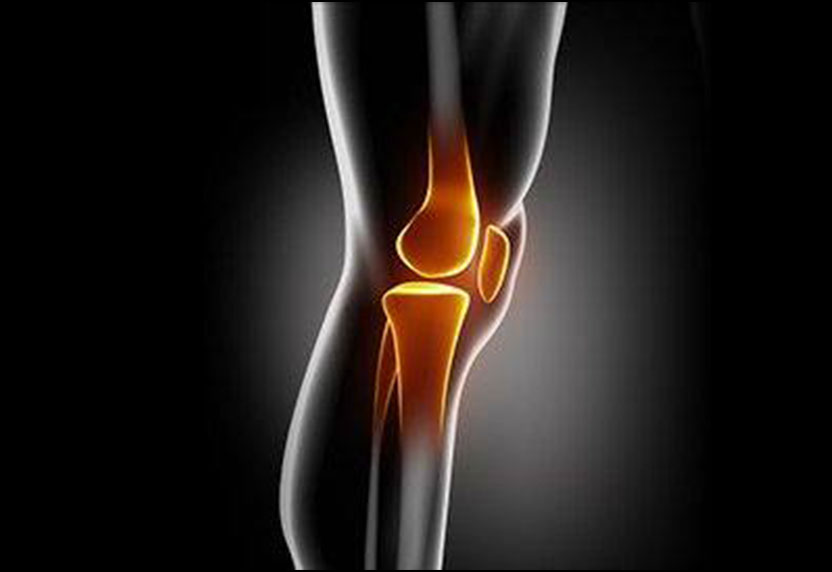
Osteoarthritis is the most common form of arthritis with the hallmarks of joint cartilage degeneration leading to further structural and functional changes of the knee and compensation from the body leading to significant debility as the condition progresses through time.
Multiple factors have been associated with this kind of deterioration in the joint as well as many hypotheses regarding the prevention of it. One such factor is diet and researchers in Iran further contributed to this area of research in their latest study published in the journal Scientific Reports.
In their study, they aimed to look at the association between phytochemical index and the odds of developing knee osteoarthritis. This case-control study was carried out from June 2020 to December 2020 on 124 cases with arthritis and 124 controls without arthritis between the ages of 20 to 60 years old. The researchers calculated their dietary phytochemical indexes based on food frequency questionnaires.
The found that those who had the intake in the highest tertile of dietary phytochemical intake lowered their risk of developing arthritis by 65% compared to those with the least amount even when controlling for variables like sex and BMI.
“The anti-osteoarthritic potential of dietary polyphenols seems to be mediated through down-regulating the inflammatory cytokines, as well as reducing oxidative stress because of their anti-inflammatory and ant-oxidative properties,” wrote the authors.
So where do we find these phytochemical nutrients? In all sorts of colorful fruits and vegetables of course.
F Amirkhizi et al. Higher dietary phytochemical index is associated with lower odds of knee osteoarthritis. Scientific Reports. doi:10.1038/s41598-022-13019-1